
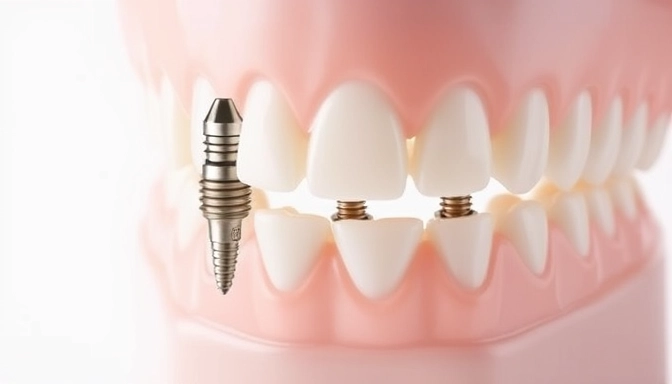
You may still be an excellent candidate for dental implants in your 50s, but your jawbone’s health will shape the plan, timeline, and steps needed for predictable success. If your bone density is adequate or can be augmented, dental services in Wilmington include durable, tooth-like implant solutions; if bone is low, specific diagnostics and treatments can restore candidacy or suggest alternatives.
Expect a focused evaluation of your jawbone, medical history, and lifestyle factors that affect bone quality, followed by targeted options — from bone grafting and guided healing to implant designs suited for reduced bone. The article will walk you through what clinicians look for, what tests reveal about your bone, and practical treatment choices that minimize risk and support long-term function.
Role of Bone Density in Implant Success
Bone density determines initial implant stability, long-term osseointegration, and the need for adjunctive procedures. You should expect assessments and treatments targeted at jawbone volume, trabecular quality, and systemic factors that affect remodeling.
Age-Related Changes in Bone Structure
In your 50s, cortical bone often thins while trabecular (spongy) bone loses connectivity, especially in the posterior maxilla. These changes reduce the mechanical purchase an implant achieves at placement and can lengthen healing times.
Hormonal shifts—most notably perimenopausal and menopausal declines in estrogen—accelerate bone turnover and can lower bone mineral density in the jaw as well as the spine and hip. If you have a history of osteoporosis or prolonged steroid use, expect further reductions in bone quality.
Local factors matter too. Long-term tooth loss leads to alveolar ridge resorption, narrowing ridge width and height. Smoking and uncontrolled diabetes amplify resorption and compromise microvascular supply required for bone healing.
Assessing Jawbone Quality in Midlife Patients
Your clinician will combine clinical exam, CBCT imaging, and bone density indices to judge suitability for implants. CBCT provides 3D measures of ridge width, cortical thickness, and trabecular pattern; Hounsfield-equivalent assessments guide implant selection and surgical approach.
A DEXA scan may be recommended if you have systemic risk factors; low systemic bone density raises the likelihood of compromised jawbone quality. Intraoperative torque and resonance frequency analysis (RFA) offer immediate feedback on primary stability and help decide whether to load the implant immediately or delay.
Documented medical history—medications like bisphosphonates, anticoagulants, or antiresorptives—must be reviewed because they affect healing and risk of complications. Your dentist will use this combined data to plan grafting, implant design, and loading timelines.
Key Factors Influencing Bone Strength
Biological: Age, sex hormones, chronic inflammation, and metabolic diseases (diabetes, thyroid disorders) directly alter bone remodeling rates. You should optimize systemic health before implant placement.
Lifestyle: Smoking, excessive alcohol, poor nutrition (low calcium/vitamin D), and sedentariness reduce bone formation. Simple interventions—smoking cessation, vitamin D repletion, and resistance exercise—improve bone response to implants.
Local anatomy and timing: Residual ridge dimensions, proximity to sinuses or nerves, and timing since tooth loss affect available bone. Immediate placement after extraction preserves height but may require grafting to ensure density.
Surgical and prosthetic choices: Implant diameter, length, surface treatment, and loading protocol influence stress distribution and bone adaptation. Your clinician will match implant design and placement technique to measured bone strength to maximize success.
Diagnostic Evaluation for Older Adults
You will need precise imaging, a targeted assessment for osteoporosis or localized bone loss, and collaboration with medical colleagues when systemic risks or medications could affect implant outcomes.
Imaging Techniques for Bone Assessment
Start with a panoramic radiograph for a broad view of jaw anatomy, tooth roots, and gross bone levels. Use periapical radiographs to check specific implant sites for crestal bone height and apical bone quality.
Order cone beam CT (CBCT) when you need 3D assessment of ridge width, vertical height, and proximity to the inferior alveolar canal or maxillary sinus. CBCT also helps measure bone volume for implant diameter and length planning. Specify voxel size and field of view appropriate to the region to balance resolution and radiation dose.
Measure cortical thickness and trabecular density visually and, when available, use Hounsfield-equivalent assessments from CBCT cautiously. Document any alveolar ridge defects and potential need for grafting. Include soft-tissue thickness observations relevant to healing and prosthetic emergence.
Identifying Osteoporosis and Bone Loss
Ask about prior DXA (dual-energy X-ray absorptiometry) results and fracture history; a low T-score (≤ -2.5) indicates osteoporosis and increased risk of peri-implant bone problems. If no DXA exists and clinical risk factors are present (postmenopausal status, long-term corticosteroid use, early menopause, low BMI, prior fragility fractures), refer for bone densitometry.
Evaluate localized alveolar bone loss from periodontal disease by measuring pocket depths, attachment loss, and radiographic bone levels. Distinguish systemic low bone density from site-specific resorption, because management differs: systemic osteoporosis may require medical treatment, while localized loss may need periodontal or grafting interventions.
Review current medications that affect bone remodeling (bisphosphonates, denosumab, long-term glucocorticoids). Note duration and route of therapy in your chart, as these influence risk of medication-related osteonecrosis and peri-implant bone healing.
Consulting with Medical Specialists
Contact the patient’s primary care physician or endocrinologist when systemic osteoporosis, metabolic bone disease, or medications that alter bone turnover are present. Provide specific questions: need for DXA, current fracture risk, and whether medication adjustment is advisable before implant surgery.
Coordinate with the prescribing clinician about timing of antiresorptive drugs (bisphosphonates or denosumab) relative to surgery when risk/benefit supports modification. Document their recommendations in the dental record and confirm shared decision-making with the patient.
When comorbidities such as uncontrolled diabetes, anticoagulation, or immunosuppression exist, consult the relevant specialist to optimize medical status, outline perioperative management (anticoagulant bridging, antibiotic prophylaxis if indicated), and reduce implant failure risks.
Treatment Approaches for Low Bone Mass
You will often need targeted strategies to create or preserve sufficient jawbone for implants. Options range from surgical bone augmentation to implant designs that work with less bone, plus medical and nutritional measures that support bone integration.
Bone Grafting Procedures
Bone grafting rebuilds lost jaw volume to provide stable support for implants. Your surgeon may use autograft (your own bone), allograft (donor bone), xenograft (animal-derived material), or synthetic substitutes depending on defect size and location. Autografts generally integrate fastest but require a secondary harvest site; allografts and synthetics avoid that but may integrate more slowly.
Common graft techniques include ridge augmentation to widen a narrow crest, sinus lift to add height in the posterior maxilla, and block grafts for larger defects. Healing time typically ranges from 3 to 9 months before implant placement. Expect pre- and post-op imaging, antibiotics, and short-term pain control. Discuss risks like infection, graft failure, and additional surgery when planning grafting.
Alternative Implant Solutions
When traditional grafting is undesirable or impossible, alternative implant options can reduce the need for bone volume. Zygomatic implants anchor into the cheekbone and bypass severe maxillary bone loss; they typically require specialized surgical expertise. Pterygoid implants engage the posterior maxilla and avoid sinus grafting in some cases.
Mini implants and short implants have smaller diameters or reduced length and can succeed in areas of limited bone if you have good bone quality. All-on-4 and tilted-implant protocols place implants at angles to use available anterior bone for full-arch support. Each option carries specific load-bearing limits and prosthetic considerations, so choose based on your anatomy and long-term maintenance needs.
Medication and Nutritional Support
Medical management can improve bone remodeling and implant prognosis, especially if you have osteoporosis. If your physician prescribes antiresorptives (bisphosphonates or denosumab), inform your dental team because these drugs affect healing and carry a small risk of medication-related osteonecrosis of the jaw (MRONJ). Timing of implant surgery relative to medication schedules may be adjusted.
Optimize nutrition with adequate calcium (1,000–1,200 mg/day) and vitamin D (800–2,000 IU/day depending on levels). Correcting deficiencies supports osseointegration. Lifestyle measures—smoking cessation, good glycemic control if you have diabetes, and weight-bearing exercise—also improve bone health around implants. Work closely with your physician and dentist to coordinate medications, lab testing, and timing for safest outcomes.
Long-Term Care and Risk Reduction
You will focus on predictable maintenance routines, targeted monitoring of bone and soft tissues, and lifestyle changes that reduce complications and support implant longevity.
Post-Implant Maintenance Strategies
Schedule professional cleanings every 3–6 months during the first two years, then at least every 6–12 months depending on your risk profile. Tell your dentist about any history of periodontitis, diabetes, or osteoporosis so they can set a recall interval and perform focused assessments.
At home, use a soft-bristled toothbrush and interdental brushes sized to the space between implant crowns and adjacent teeth. Clean daily around abutments with low-abrasive toothpaste and consider an antimicrobial mouthwash (chlorhexidine short-term under clinician guidance) for two weeks after any peri-implant inflammation.
Ask your clinician to check occlusion at recall visits; correcting high contacts and parafunctional wear reduces mechanical overload. If you grind your teeth, ask about a nightguard tailored to protect implants and natural teeth. Keep a written record of symptoms such as soreness, drainage, or increased mobility and report them immediately.
Monitoring Bone Health After Placement
Expect baseline radiographs at placement and prosthesis delivery, then radiographic checks at 6–12 months and annually for the first few years. Compare crestal bone levels to baseline images; early bone loss greater than 2 mm in the first year or progressive loss thereafter warrants prompt evaluation.
Your clinician will assess soft tissue contour, probing depths (using light force, typically 3–4 N), bleeding on probing, and signs of suppuration. If peri-implantitis is suspected, they may order cone-beam CT to evaluate bone defects and plan treatment. Maintain records of systemic medications—bisphosphonates, denosumab, corticosteroids—and coordinate care with your physician to manage factors that affect bone remodeling.
If bone augmentation was performed, expect closer monitoring because augmented sites can show greater marginal bone changes over time. Discuss thresholds for intervention (local debridement, antibiotics, or surgical therapy) with your provider so you understand when and why treatment will change.
Lifestyle Modifications for Optimal Outcomes
Stop smoking before implant surgery and avoid relapse; smoking increases risk of peri-implant bone loss and implant failure. Aim to quit at least 4 weeks preoperatively and remain abstinent long-term to improve healing and maintenance outcomes.
Optimize nutrition and bone health by ensuring adequate calcium (1,000–1,200 mg/day) and vitamin D (800–2,000 IU/day or per your clinician’s advice). If you take bone-active drugs, maintain communication with your prescriber about dental plans and potential drug holidays only when medically approved.
Control systemic conditions such as diabetes with HbA1c targets set by your physician—well-controlled diabetes lowers infectious and healing complications. Maintain a consistent oral hygiene routine, limit alcohol use, and address bruxism or heavy occlusal forces through appliance therapy or occlusal adjustment to reduce long-term mechanical strain.