
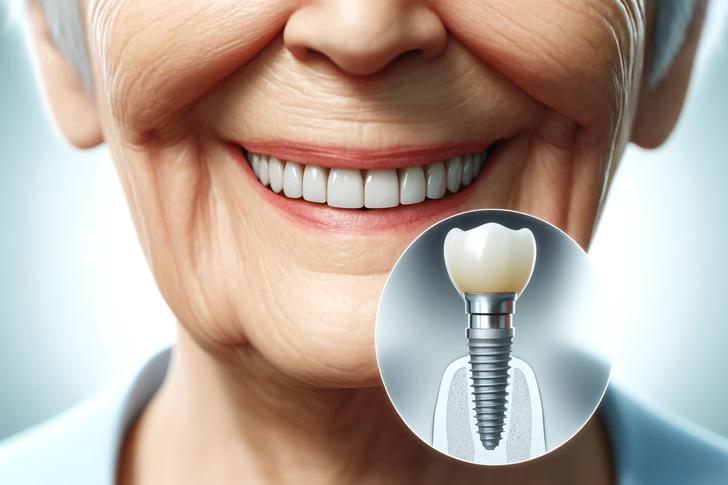
Getting dental implants after 70? It often plays out much like it does for younger folks. Many seniors see great success and lasting results, but honestly, your overall health, jawbone quality, and gum condition matter way more than your age.
If you’re generally healthy and have enough bone—or can get bone grafting—implants can be a solid, long-term solution, even in your 70s. It’s not just about age; it’s about the bigger health picture.
You’ll want a plan that fits you, considering your meds, any chronic illnesses, and bone health. That’s how you keep risks low and bounce back quicker.
Let’s dig into how clinicians figure out if you’re a good candidate, tweak treatment plans, and handle possible hiccups. That way, you can actually weigh implants against other choices—and if you’re considering a full arch restoration, brushing up on full arch implant eligibility can help you walk into that first consultation already knowing the right questions to ask.
Age-Related Considerations in Implant Candidacy
Expect your dentist to check your jaw bone quality, medical conditions, and current meds before making any recommendations. These details shape your surgical risks, healing time, and how well your implants hold up.
Bone Density and Jaw Health in Older Adults
As you age, bone loss can shrink your jaw, especially if you’ve worn dentures for years. Your dentist might order a CBCT scan to get a clear look at bone volume and density.
If you don’t have enough bone, they’ll talk about options like bone grafting, sinus lifts, or using smaller implants. Each route changes your treatment timeline and cost, and grafting adds a few months to the process.
Gum health matters, too. If you’ve had gum disease, keeping it under control and sticking to regular dental visits makes a big difference in implant success.
Pre-Existing Medical Conditions
Your overall health affects implant outcomes way more than age does. Uncontrolled diabetes, serious heart problems, or advanced osteoporosis can slow healing and bump up surgical risk.
Bring all your medical records and recent labs to your dentist. They’ll probably check in with your doctor to make sure your conditions are managed and your meds are safe.
Some health issues mean your dentist might change up the surgical plan or use extra precautions, like antibiotics or staged treatments. If your doctor clears you and your chronic issues are stable, implants might still be on the table.
Review of Medications and Healing Capacity
Some meds can slow bone healing or make bleeding worse. Think bisphosphonates or denosumab for osteoporosis, long-term steroids, or blood thinners.
Tell your dentist about every medication and supplement you take—don’t leave anything out, even if it seems minor. They’ll look at fracture and bleeding risks and see if you need a med break or extra clearance.
Smoking and poor nutrition can drag out healing and boost infection risk. Quitting smoking, losing weight, or ramping up protein and vitamin D can really help your chances for a strong, lasting implant.
Personalized Treatment Planning for Seniors
You’ll get a treatment plan that covers your health, jawbone, and what you need day-to-day. The goal? Safe surgery, tough materials, and teeth you can actually take care of for years.
Individual Assessment and Diagnostic Imaging
Your dental team starts with a health review and targeted scans. They’ll check your meds, bleeding risk, and chronic conditions like diabetes or osteoporosis.
A CBCT scan gives a 3D map of your bone, nerves, and sinuses. This helps them decide if you need bone grafts, sinus lifts, or just smaller implants.
They’ll also take impressions or digital scans to design teeth that fit your bite and look natural. Your chewing strength, bite, and gum health all help shape the plan.
Sometimes, they’ll do a gum health check and talk about the risk of peri-implantitis. All this info goes into a timeline that fits your needs—not just a one-size-fits-all approach.
Implant Material Choices for Longevity
Titanium’s still the go-to for most seniors because it bonds well and lasts. If you’re curious, ask if they use grade 4 or alloyed titanium—some alloys are a bit stronger, especially in smaller implants.
Zirconia gives you a metal-free choice and can look better if your gums are thin, but it doesn’t have as much long-term data. It might not hold up as well if you have a heavy bite or grind your teeth.
Implant shape and surface matter, too. Rough or treated surfaces help bone stick, and tapered designs can work better if your bone isn’t perfect. Ask about warranty, how long things should last, and what future care might look like with different materials.
Customized Surgical Techniques
Surgeons tweak their approach based on your bone and health. In dense bone, they’ll use a gentler drilling method to avoid overheating. In softer bone, they might make a tighter fit for better stability.
If your bone’s thin, they’ll plan for bone grafts, ridge building, or sinus lifts. Sometimes, shorter or slimmer implants can skip the grafting altogether. Your surgeon will lay out the pros and cons so you can decide what’s worth it.
If you’re at higher risk for bleeding or have several health issues, they’ll space out procedures and work with your doctor to adjust meds safely. Less invasive methods can mean less pain and faster recovery—if your case allows it.
Managing Risks and Enhancing Outcomes
Good planning and follow-through lower complications and help implants last, even after 70. Your medical history, bone quality, meds, and daily care all play a role.
Minimizing Complications During Surgery
Go over your full medical history and meds before surgery. Make sure to mention drugs like bisphosphonates, denosumab, blood thinners, or if your diabetes isn’t controlled.
Targeted scans (CBCT) help map your bone and nerves, so the dentist can pick the right size and spot for your implant. When possible, they’ll use less invasive techniques to cut down on trauma and speed up healing.
If your bone’s not great, staged grafting might be better than doing everything at once. Your dentist should coordinate with your primary doctor to get your blood sugar, blood pressure, and other health issues in check before the procedure.
Optimizing Postoperative Recovery
You’ll get clear, written instructions for after surgery. Make sure someone—a family member or clinic contact—can help you for the first couple of days.
Your dentist may prescribe pain meds and, if needed, a short course of antibiotics, depending on infection risk and your health. Use chlorhexidine rinses and gentle cleaning to keep germs down without bothering the surgical site.
Plan on a follow-up visit within a week or so to check healing and take out stitches. If you’re on antiresorptives, watch for any exposed bone, stubborn pain, or slow healing—report these right away.
Your dentist will adjust when you start using your new teeth based on how stable the implants feel and what your bone looks like—not just a set schedule.
Long-Term Maintenance Strategies
Start by scheduling a maintenance recall every 3–6 months. Later, you can stretch it out to every 6–12 months, depending on how your peri-implant health holds up and how well you handle home care.
Make sure you and anyone helping you at home know how to clean around the implants. Interdental brushes, gentle toothpaste, and maybe a water flosser—these tools can really help.
Take note of your baseline peri-implant probing depths, get some radiographs, and check the soft tissue. This way, you’ll catch any changes early on.
Keep an eye on systemic risks, too. If you have diabetes, work on glycemic control. Talk to your doctor about any antiresorptive therapy, and don’t ignore dry mouth or meds that ramp up plaque.
Remember to check your prosthesis now and then. Look at screw torque, occlusion, and wear so you can head off any mechanical issues before they mess with your implant.