
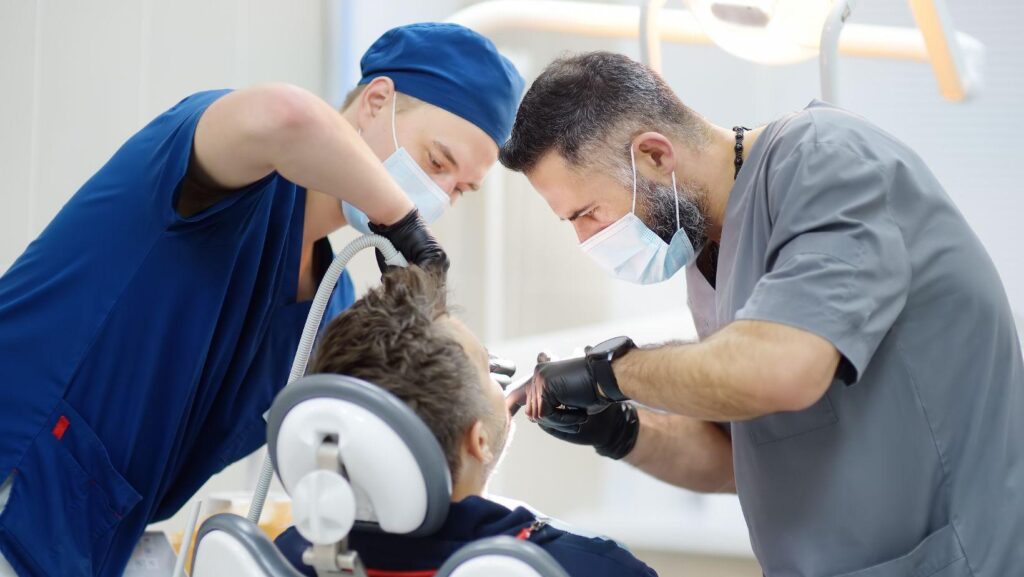
You really don't have to let fear keep you from getting dental implants. Modern dentistry's got some pretty powerful tools and approaches to make it all a lot more comfortable and manageable.
Sedation options, better pain control, and patient-centered care let you undergo implant surgery with minimal anxiety and predictable safety.
Let's take a look at why anxiety doesn't have to derail your treatment plan. Here's how your dental team might keep you calm, pain-free, and in the loop before, during, and after surgery.
Tailored sedation, honest communication, and long-term support can help you move from worry to a restored smile—and if you're looking for a trusted dental anxiety solution in Chula Vista, it's more doable than you might think.
Understanding Dental Anxiety
Dental anxiety often comes from past experiences, fear of pain, or a sense of losing control. Sometimes it’s just something specific, like needles or drills, that sets you off.
It affects how you make choices about your care and how your dentist should approach you. That’s not something to brush off.
Common Causes and Triggers
Maybe you had a rough dental visit in the past, or you heard a horror story from someone else. Triggers can be pretty specific—needles, dental drills, the sound of instruments, gagging, or even just lying back in the chair.
Sensory stuff matters too. Strong smells, bright lights, and the taste of dental materials can crank up your stress.
Your mind plays a part—catastrophic thinking, fear of the unknown, or even worries about cost or recovery time can push you to avoid care.
You can help yourself by telling your dentist about your past experiences. Ask for a look around the office, or try out noise-canceling headphones. Knowing your own triggers lets your team plan for sedation, breaks, or different approaches.
Impact on Oral Health Decisions
Anxiety can make you put off appointments, which raises your risk of infection, bone loss, and needing more complicated procedures like implants.
When you skip regular care, small problems can turn into big ones that need surgery instead of a simple fix.
Sometimes you might pick a less ideal treatment just because it seems quicker or less scary. That can mess with your long-term results.
Anxiety can also make your jaw tense up or slow your healing, which isn’t great for implants.
Tell your dentist about your worries early on. They can lay out phased treatment, sedation options, and realistic timelines.
Getting clear info about risks, benefits, and recovery can cut down on uncertainty and help you make better choices.
Recognizing Signs in Patients
Look for physical signs like a racing heart, sweating, fast breathing, or clutching the chair. These are dead giveaways that someone’s struggling.
Behavior matters too—missed appointments, cancellations, or long pauses when talking about treatment. Some folks just want the bare minimum care.
If you hear lots of questions about worst-case scenarios or constant requests for reassurance, that’s another clue.
Use a short anxiety questionnaire or just a few pointed questions when you check in. If you spot real anxiety, write it down and talk through options—longer appointments, distraction, topical anesthesia, or the right kind of sedation.
Modern Sedation and Pain Management Techniques
You’ve got options. Dentists use a range of targeted ways to control anxiety, block pain, and keep you steady during implant surgery.
They set clear sedation levels, monitor you closely, and tailor everything to your health and the procedure’s complexity.
Types of Sedation Used in Implant Procedures
Sedation goes from mild to deep. Minimal sedation might use oral meds or nitrous oxide, so you stay awake but relaxed.
Moderate sedation—usually oral or IV meds like midazolam—makes you less aware and less likely to remember the procedure, but you’re still breathing on your own.
Deep sedation and general anesthesia come into play for tough cases or people with severe anxiety or special medical needs. General anesthesia knocks you out completely and needs an anesthesiologist or someone equally qualified.
Dentists almost always combine local anesthetic (like lidocaine) with sedation. That numbs the spot right away and means you need less of the heavy stuff.
Safety and Effectiveness of Modern Approaches
Modern clinics keep a close eye on you: pulse oximetry, blood pressure, heart rate, and sometimes capnography for deeper sedation. Staff stick to clear ratios and emergency plans so they can jump in if anything goes sideways.
Conscious sedation plus local anesthesia usually means safe, comfortable implant placement. Most patients and surgeons are happy with the results.
Serious risks like breathing trouble or allergic reactions are rare if your provider checks your health, adjusts doses, and keeps you monitored.
They pick meds based on your age, BMI, airway, heart history, and other drugs you’re taking. This approach keeps things safer and helps you bounce back faster so you can go home with clear instructions.
Personalized Comfort Plans for Patients
Your dentist or oral surgeon will set up a comfort plan during your first visit. They’ll review your medical history, check your meds, and ask about past anesthesia experiences to pick the right sedation.
Plans usually include pre-op instructions (like fasting or stopping certain meds), what’ll happen during the procedure (local blocks, IV or oral sedation), and what to do after (pain meds, anti-nausea stuff, follow-up).
If you have sleep apnea, heart disease, or take opioids, they’ll add extra monitoring or avoid certain sedatives.
You can ask for things like having someone drive you home, written aftercare steps, or a follow-up call. Honest communication about your anxiety and medical background lets the team customize the safest, most comfortable plan for you.
Patient-Centered Approaches in Implant Surgery
You’ll get the most relief from anxiety when there’s clear communication, smart use of technology, and real emotional support. These things work together to set expectations, control pain, and keep you in the loop.
Pre-Procedure Communication Strategies
Let your dentist know about your fears, past experiences, and medical history right away. This helps them plan anesthesia and sedation.
Ask for a step-by-step breakdown: when to arrive, when anesthesia or sedation starts, how long the implant takes, and what recovery looks like.
Visual aids help. Ask to see intraoral photos, CBCT scans, or a digital plan so you can picture where the implants go and what the outcome should look like.
Try repeating the plan in your own words—sometimes called “teach-back”—to make sure you really get it.
Clarify how pain will be managed after, who to call in an emergency, and what signs to watch for. Nail down costs and appointment times to avoid last-minute stress.
A written plan and a single point of contact (like a patient coordinator) can make things way less stressful.
Role of Technology in Minimizing Fear
Digital imaging (CBCT) and guided-surgery tools let dentists plan precisely, which means shorter procedures and fewer surprises.
Surgeons use 3D planning to get the angle and depth right, which boosts confidence in the outcome.
In-office sedation monitoring and portable pulse oximeters let you have sedation safely while the team keeps tabs on your oxygen and heart rate.
Some clinics use computer-guided anesthesia devices for steady, less painful injections.
Virtual consults, pre-op videos, and 3D renderings let you preview results and ask questions before the big day. That usually helps swap out fear for real info and concrete steps.
Support Systems: Family, Teams, and Counseling
Bring someone you trust to your appointment. They can help with logistics, drive you home, and just be there for emotional support.
Lean on the clinical team—surgeon, nurse, anesthetist, coordinator. When team members listen and show empathy, they can spot anxiety, pause if needed, and adjust sedation or explanations on the fly.
If your dental phobia is really severe, don’t be afraid to ask for a referral to a counselor or therapist before surgery. Combining counseling with sedation often helps people get through treatment and stick with it long term.
Long-Term Benefits of Overcoming Dental Anxiety
Getting a handle on dental anxiety can seriously improve your oral health, comfort, and habits over time. Expect better follow-ups, smoother healing, and more confidence—socially and otherwise.
Improved Oral Health Outcomes
When you manage anxiety, you’re more likely to show up for check-ups and cleanings. This lowers your risk of implant problems like peri-implantitis or outright failure.
Professional cleanings keep biofilm and calculus off your implants and nearby teeth, which protects your gums and bone.
You’ll probably follow home-care instructions better after surgery. Using a soft, implant-friendly brush, cleaning between teeth, and using antiseptic rinses all help reduce inflammation and support healing.
You’ll also catch problems early—like loose parts or sore gums—because you’re not skipping appointments.
Less anxiety means you’re easier to work with during visits, so your dentist can do a more thorough job and you’re less likely to need emergency care.
Enhanced Confidence and Quality of Life
Getting past dental fear can change how you eat, talk, and smile. Implants that heal well let you enjoy a bigger range of foods, which is just better for life.
You’ll probably smile more and stop hiding your mouth. That can boost your confidence at work and with friends or family.
Stable restorations mean clearer speech, so you can talk without feeling self-conscious.
Psychologically, you’ll feel less dental-related stress and avoid fewer things. That can help with sleep, mood, and just feeling better in daily life.
Maintaining Regular Dental Visits Post-Surgery
Set up a recall schedule with your clinician. Most folks come back every 3–6 months for the first year, then shift to 6–12 months depending on their risk factors.
If you’re a high-risk patient—say, you smoke, have a history of periodontitis, or struggle with plaque—you’ll probably need more frequent checkups and focused maintenance.
At every visit, bring a checklist. Jot down any changes in your bite, tooth mobility, soft-tissue irritation, or bleeding.
Ask your dentist to remove plaque, check your bite, and inspect screws or abutments. If you notice pain, swelling, or a loose prosthetic, don’t wait—call your provider right away. Early action can really save your implants.
Stick with the behavioral tricks that helped you during treatment. Scheduled reminders, relaxation techniques, maybe even sedation—whatever keeps your anxiety in check and helps you show up.