
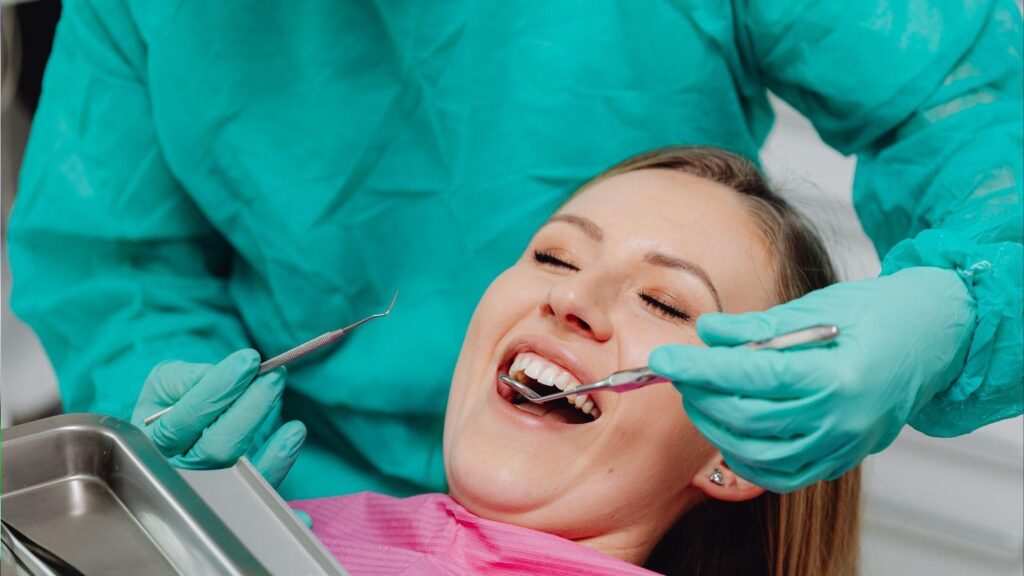
At this stage of life you may notice tooth wear, old restorations failing, or gums changing — issues that make dental implants a stronger long-term option than temporary fixes. If you’re in your 40s, implants can restore function and protect jaw structure while still offering predictable healing and durability when planned with your overall health and lifestyle in mind — and is sleep apnea dangerous is one of the health questions worth discussing with your dentist, as it can directly affect implant candidacy and healing.
You’ll weigh different factors than someone younger or much older: bone quality, any chronic health conditions, prior dental work, and habits like smoking or teeth clenching. The rest of this article will walk you through what changes in your 40s, how implant choices compare to other treatments, and practical steps to maximize long-term success.
Unique Considerations for Dental Implants in the 40s
You still have good healing potential and usually adequate bone. However, specific checks for bone quality, gum disease, and medical conditions become more important at this stage.
Bone Density and Jaw Health
Your jawbone often retains sufficient volume in your 40s, but localized bone loss from prior extractions or chronic infection can complicate implant placement. Your dentist will use CBCT imaging to measure ridge width and bone height precisely, and may recommend bone grafting or a sinus lift when vertical or horizontal deficiency exists.
If you take medications that affect bone metabolism—like long-term corticosteroids or certain osteoporosis drugs—discuss timing and risk with both your dentist and prescribing physician. Smoking and uncontrolled periodontal disease accelerate bone loss; quitting smoking and treating infection before implant surgery improves success rates.
Gum Tissue and Periodontal Status
Gum health directly affects implant prognosis. You should have a thorough periodontal exam to detect pocketing, bleeding on probing, or active bone loss around natural teeth. Active periodontitis requires treatment and maintenance before implants to reduce the risk of peri-implantitis later.
Soft-tissue thickness matters for esthetics and long-term stability. If you have thin biotype or recession, your clinician may plan connective tissue grafting or tissue-management techniques to achieve stable, natural-looking margins. Maintain a professional cleaning schedule and personalized home care to protect both natural teeth and implants.
Healing Capacity During Midlife
Your cellular healing capacity remains robust in your 40s, so osseointegration times are typically standard—often 3 to 6 months depending on bone quality and implant site. Systemic factors common in midlife, such as controlled diabetes or moderate obesity, can slightly slow healing; tight glycemic control and weight management reduce complications.
Lifestyle factors influence recovery: stop smoking, optimize nutrition (adequate protein and vitamin D), and follow post-op instructions precisely. If you take anticoagulants or immunosuppressants, coordinate perioperative management with your medical team to balance bleeding risk and infection control.
Comparing Treatment Options for Middle-Aged Adults
You’ll weigh durability, oral-health impact, and cost when choosing between implants, bridges, or dentures. Consider how long you want a fixed solution, how much bone you have, and what your budget and insurance will cover.
Dental Implants vs. Bridges and Dentures
Dental implants replace both root and crown, preserving jawbone by transmitting chewing forces to bone. You get a fixed tooth that doesn’t rely on neighboring teeth for support, so healthy adjacent teeth remain untouched.
Bridges use neighboring teeth as anchors, which can accelerate wear or require future root canal treatment on those teeth. Removable dentures restore chewing and appearance quickly, but they sit on gums, can loosen, and won’t prevent bone loss without implant support.
If you have adequate bone and good general health, implants usually offer better long-term stability and function. If you prefer lower upfront cost or have systemic conditions that complicate surgery, bridges or dentures may be more practical short-term choices.
Short-Term and Long-Term Success Rates
Short-term success for implants in healthy adults is typically high—survival rates in the first year often exceed 95% with proper placement and hygiene. Early complications include infection or failure to integrate, which your clinician can often manage if detected quickly.
Bridges show strong short-term performance but have higher medium-term risks tied to decay or fracture of abutment teeth. Dentures give immediate function but commonly require adjustments and relines as tissues and bone change.
Long-term, well-maintained implants commonly last decades; they may still need occasional restoration of the crown. Bridges often need replacement or repair every 7–15 years depending on oral hygiene and abutment health. Dentures typically require periodic remakes as bone resorbs and fit declines.
Cost Factors and Insurance Coverage
Implant treatment carries higher upfront costs due to surgery, implant hardware, and possible grafting. Expect additional fees for imaging, temporary prostheses, and specialist visits. Over time, lower maintenance and fewer replacements can make implants cost-effective for many patients.
Bridges usually cost less initially than full implant restorations but may incur repeated costs over years for replacement or treatment of adjacent teeth. Dentures are the least expensive to start, but relines and replacements add cumulative expense.
Insurance coverage varies: many dental plans cover a portion of bridges and dentures but categorize implants as elective and limit reimbursement. Confirm your plan’s lifetime caps, waiting periods, and whether medical insurance might assist when tooth loss links to systemic disease.
Lifestyle Factors Affecting Dental Implant Outcomes
Lifestyle choices influence bone healing, infection risk, and long-term stability. Focus on smoking habits, dietary patterns, and activity levels because each directly affects osseointegration, soft-tissue health, and prosthetic load.
Smoking and Oral Health
Smoking reduces blood flow to gum and bone tissue, slowing osseointegration and raising the risk of early implant failure. Nicotine and other tobacco chemicals impair immune response and collagen formation, which makes you more prone to peri-implant mucositis and peri-implantitis.
If you vape or use smokeless tobacco, you still face increased risk; evidence links nicotine delivery by any route to poorer implant outcomes. Quitting at least several weeks before implant surgery and maintaining abstinence for months after placement improves healing; your dentist can recommend nicotine-replacement strategies and cessation programs.
Maintain strict oral hygiene if you continue to smoke. Increase professional hygiene visits to monitor for inflammation and bone loss, and expect more frequent radiographic checks to catch early changes.
Diet and Nutrition Impact
Protein and micronutrients drive bone remodeling; inadequate intake of protein, calcium, vitamin D, or vitamin C delays healing. Aim for a diet that supplies 1.0–1.2 g/kg protein during the perioperative period and ensure daily calcium (1,000–1,200 mg) and vitamin D (800–1,000 IU) as advised by your clinician.
High-sugar or highly acidic diets increase plaque and inflammation risk, which can accelerate peri-implantitis. Limit sugary snacks and acidic beverages, and prioritize whole foods, dairy or fortified alternatives, leafy greens, and oily fish for bone-supporting nutrients.
If you have dietary restrictions (vegetarian, vegan, or food intolerances), discuss supplementation and blood testing with your provider to confirm adequate levels of vitamin D, B12, and calcium before implant surgery.
Physical Activity and Healing
Moderate exercise improves circulation and supports immune function, which helps implant healing. Light activity such as walking is beneficial shortly after surgery, but avoid heavy resistance training and activities that raise blood pressure or strain the jaw for at least 1–2 weeks postoperatively.
Avoid impact sports and contact activities until implants have achieved primary stability and your clinician confirms osseointegration. Protect the surgical area from direct hits and minimize jaw clenching or heavy chewing that transmits force to the implant during the early healing phase.
If you regularly lift heavy weights or perform high-intensity interval training, plan a gradual return and coordinate timelines with your surgeon; adjusting workout intensity reduces the chance of micro-movements that can compromise implant integration.
Long-Term Maintenance and Preventive Strategies
Maintain meticulous daily cleaning and commit to scheduled professional care to catch early changes in tissue health and prosthetic fit. Focus on plaque control, soft-tissue inspection, and timely management of loose or worn components to protect osseointegration and function.
Oral Hygiene Best Practices
Use a soft-bristled toothbrush with a non-abrasive paste and brush around the implant crown and adjacent teeth twice daily. Angle the brush to reach the peri-implant sulcus and use gentle strokes to avoid trauma to gingival tissue.
Floss or use interdental brushes sized to the contact area once daily. Choose nylon-coated interdental brushes for prostheses with wider embrasures and waxed floss for tight contacts; threadable floss or floss picks can help under fixed bridges.
Add a low-abrasive antimicrobial rinse (chlorhexidine short-term or 0.12%–0.2% chlorhexidine per your clinician) for 1–2 weeks if inflammation appears. Consider a powered toothbrush for better plaque removal if you struggle with manual dexterity.
Monitor for bleeding, persistent redness, suppuration, or increased probing depths and report these signs immediately. Keep a photo log or notes of changes to discuss at visits.
Scheduling Regular Dental Check-Ups
See your clinician every 3–6 months based on your risk profile: every 3 months if you have a history of periodontitis, smoking, diabetes, or prior peri-implantitis; otherwise, 4–6 months is typical. Tailor the interval to plaque control and tissue stability.
Each visit should include peri-implant probing with light force, mobility testing of the implant and prosthesis, and radiographs as clinically indicated (baseline, 1 year post-restoration, then periodically). Record baseline reference values—probing depths, bleeding on probing, and radiographic crestal bone levels—to detect change.
Professional maintenance should include supra- and subgingival debridement with plastic, titanium, or ultrasonic inserts designed for implants, plus polishing with non-abrasive paste. Replace or retighten prosthetic screws and inspect occlusion to prevent mechanical overload.
If signs of peri-implant disease emerge, expect more frequent visits and targeted therapies: topical antiseptics, localized antibiotics, mechanical debridement, and possible surgical referral. Follow your clinician’s recall plan and bring any questions about symptoms or home-care difficulties.