
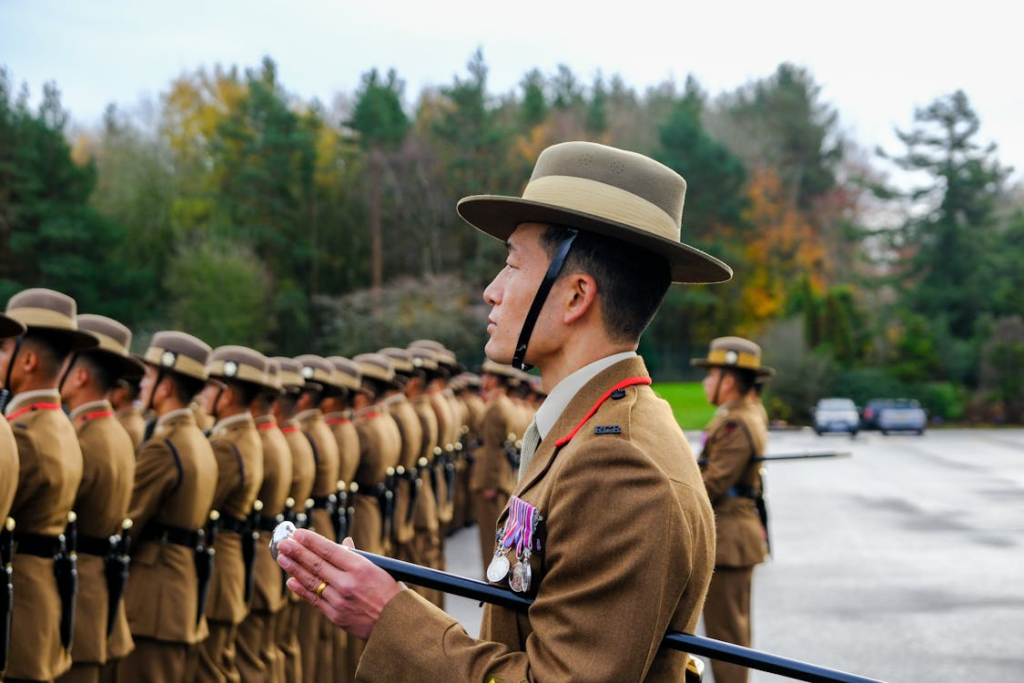
Life in the military is hard. Soldiers, whether active or retired, face challenges that most civilians may never fully understand. Long hours of training, carrying heavy equipment, and repetitive motions. High-stress situations also take a toll.
Even after leaving service, aches, stiffness, and old injuries can make everyday life difficult. Over time, these physical strains can affect mental health. They can make it harder to manage stress, sleep well, or stay active. However, osteopathy can help. It supports the body to move better, reduces pain, and helps with long-term well-being.
Understanding Osteopathy
Osteopathy is a type of healthcare that looks at the whole body. It works on the idea that the body can heal itself if it is in balance. Osteopaths use hands-on techniques to improve joints, muscles, and circulation. Treatments may include gentle stretching, massage, or joint mobilisation.
Unlike some treatments that only address symptoms, osteopathy aims identify and address the underlying source of pain.
For military personnel, this is especially useful. Soldiers often have injuries that affect more than one part of the body. For example, lower back pain, shoulder injuries, or knee problems are common.
Osteopathy treats the affected area and considers how one injury can affect the rest of the body. For instance, an ankle injury can change the way someone walks. This may then strain the knees, hips, and back. Osteopathy takes this interconnected approach into account. You can read more about osteopathy and its research in the Journal of Osteopathic Medicine.
Common Issues Among Military Personnel
Active service members can face both sudden injuries and long-term problems. Sudden injuries can include sprains, fractures, or strains from training or field work. Long-term problems often develop from repetitive strain, poor posture while carrying heavy gear, or high-impact activity such as running, marching, or obstacle courses.
Retired service members may experience chronic pain from years of physical strain. Common issues include:
- Lower back pain from lifting heavy loads or standing for long periods
- Shoulder and neck tension from repeated movements or carrying equipment
- Knee and ankle problems from running, jumping, or rough terrain
- Posture issues from wearing uniform, body armour, or heavy packs
- Joint stiffness or reduced mobility from old injuries
These problems can make daily tasks painful. They can limit movement and reduce the quality of life. Without care, they may get worse over time. Osteopathy can improve mobility, ease discomfort, and support recovery. It helps soldiers and veterans stay active.
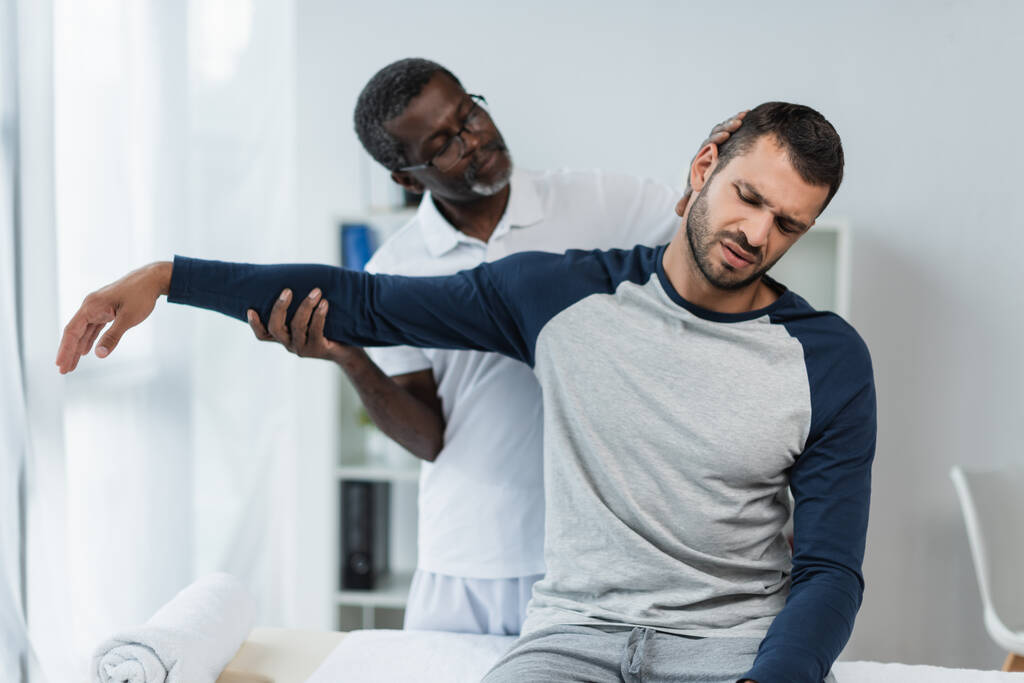
How Osteopathy Can Help
Osteopathic treatment is personalised for each individual. For military personnel, it focuses on areas under stress or affected by past injuries.
Some key benefits include:
- Pain relief: Osteopathy can reduce chronic pain without relying on medication. Soft tissue massage, stretching, and joint mobilisation ease tension and allow the body to move more freely.
- Improved mobility: Treatment can increase flexibility and joint movement. This helps soldiers and veterans maintain strength and agility.
- Better posture: Osteopathy works on muscles and joints to improve alignment. This can prevent future injuries and reduce strain on other parts of the body.
- Support for recovery: Osteopathy can improve circulation, reduce inflammation, and speed up healing after injury. This helps the body regain strength and function.
- Holistic wellbeing: By treating the body as a whole, osteopathy can reduce stress and tension. This is important for mental health, especially after service.
Osteopathy is safe for people of all ages and fitness levels. Whether a young soldier has a new injury or a retired veteran has long-term pain, treatment can be adjusted to suit individual needs. Make sure your osteopath is registered with the General Osteopathic Council for safety and professional requirements.
Practical Steps for Military Personnel
If you are thinking about osteopathy, here are some simple steps:
- Identify your needs: Think about areas of your body that feel stiff, sore, or restricted. This helps the osteopath focus the treatment.
- Find a qualified practitioner: Look for a licensed osteopath with experience in musculoskeletal issues. Some retired military personnel in the Croydon area have found relief by visiting an Osteopath Croydon.
- Discuss your history: Be honest about past injuries, surgeries, or physical activity. This helps the osteopath create a safe and effective treatment plan.
- Follow the plan: Osteopaths often give exercises or stretches to do at home. Doing these regularly maximises the benefits of treatment.
- Monitor progress: Keep a note of pain levels, mobility, and overall well-being. Plans can be adjusted if needed.
Osteopathy works best with other healthy habits. Regular exercise, good nutrition, staying hydrated, and managing stress all support recovery and overall health.
Beyond Treatment
Osteopathy is not only about treating pain. It is also about long-term health. For military personnel, this means learning ways to prevent injuries, improve strength, and stay active. Many veterans find that combining osteopathy with exercise, proper nutrition, and stress management gives the best results.
Mental well-being is strongly related to physical health. Chronic pain and limited mobility can cause frustration, anxiety, and low mood. Osteopathy improves movement, reduces pain, and helps the body function better. This can boost confidence, lower stress, and improve overall quality of life.
For active service members, regular osteopathic care can prevent injuries before they happen. Routine checks can spot tight muscles or joint imbalances early. This allows for simple interventions that keep the body strong and resilient.
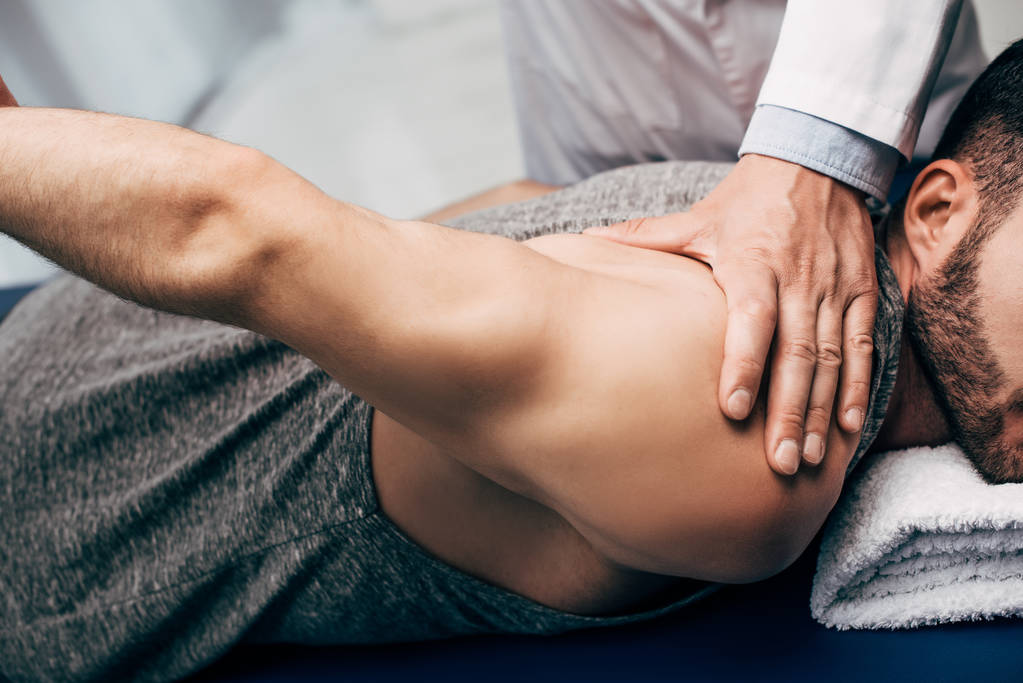
Moving Forward After Military Life
Military service leaves a mark on the body. But it does not have to limit life after service. Osteopathy is a safe and effective way to manage pain, improve movement, and support recovery. Whether you are an active soldier dealing with the demands of duty or a retired veteran managing long-term injuries, osteopathy can help you regain control of your body.
Taking the first step can be simple. For example, those in Croydon and nearby areas may benefit from consulting an Osteopath in Croydon for a treatment plan suited to their needs. With the right care, healing is possible. Soldiers and veterans can enjoy a more active and comfortable life.
Osteopathy is not a quick fix. But it can give lasting relief, improve mobility, and boost quality of life. By taking care of the body, military personnel can continue to live life to the fullest, long after their service ends.