
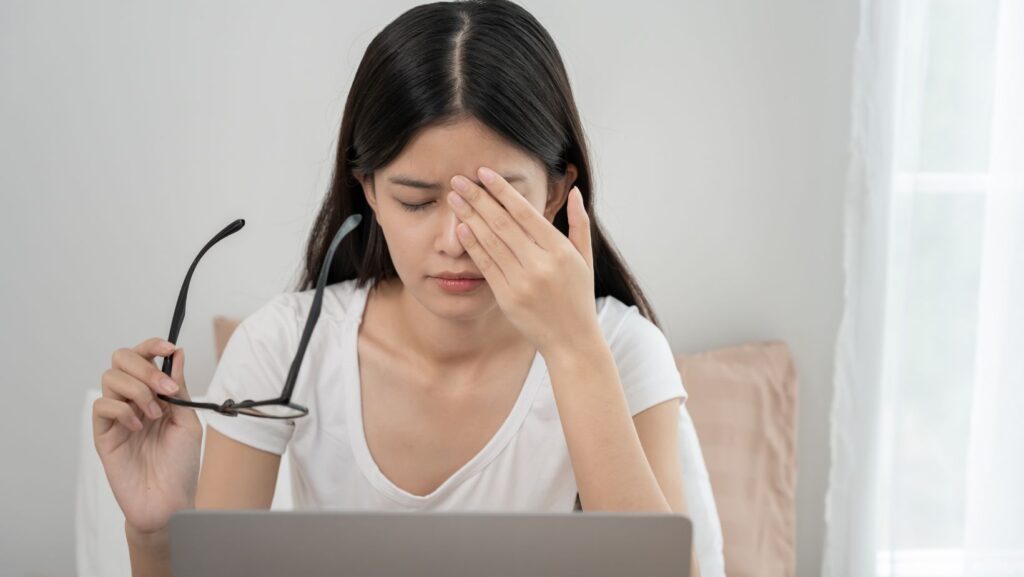
Spring and summer bring warmer weather, blooming flowers, and unfortunately, seasonal allergies. For many people, allergies aren’t just about sneezing and a runny nose—they can also cause significant eye discomfort. Itchy, watery, and red eyes are common symptoms, and if left unmanaged, they can impact daily life and overall wellbeing. Understanding why these reactions occur and learning effective strategies to relieve discomfort can make allergy seasons much more manageable.
Why Allergies Affect the Eyes
Seasonal allergies, often triggered by pollen from trees, grasses, or weeds, occur when the immune system reacts to otherwise harmless substances. When pollen enters the eyes, it stimulates the release of histamines, which are chemicals that cause inflammation. This inflammatory response leads to classic symptoms such as redness, itchiness, tearing, and a gritty or burning sensation. Some people may even experience swelling of the eyelids, making it uncomfortable to open or close the eyes fully.
For those with pre-existing conditions like hay fever or allergic rhinitis, eye symptoms can be more intense. Environmental factors such as wind, dust, and smoke can further aggravate the eyes, making seasonal allergy management even more important.
Simple Steps to Reduce Eye Irritation
While avoiding allergens entirely is difficult, there are practical steps that can significantly reduce eye discomfort. One of the most effective measures is minimizing exposure to pollen. Keeping windows closed during high pollen days, using air purifiers, and wearing sunglasses outdoors can create a protective barrier. Additionally, showering and changing clothes after spending time outside can prevent pollen from lingering on skin or hair and subsequently irritating the eyes.
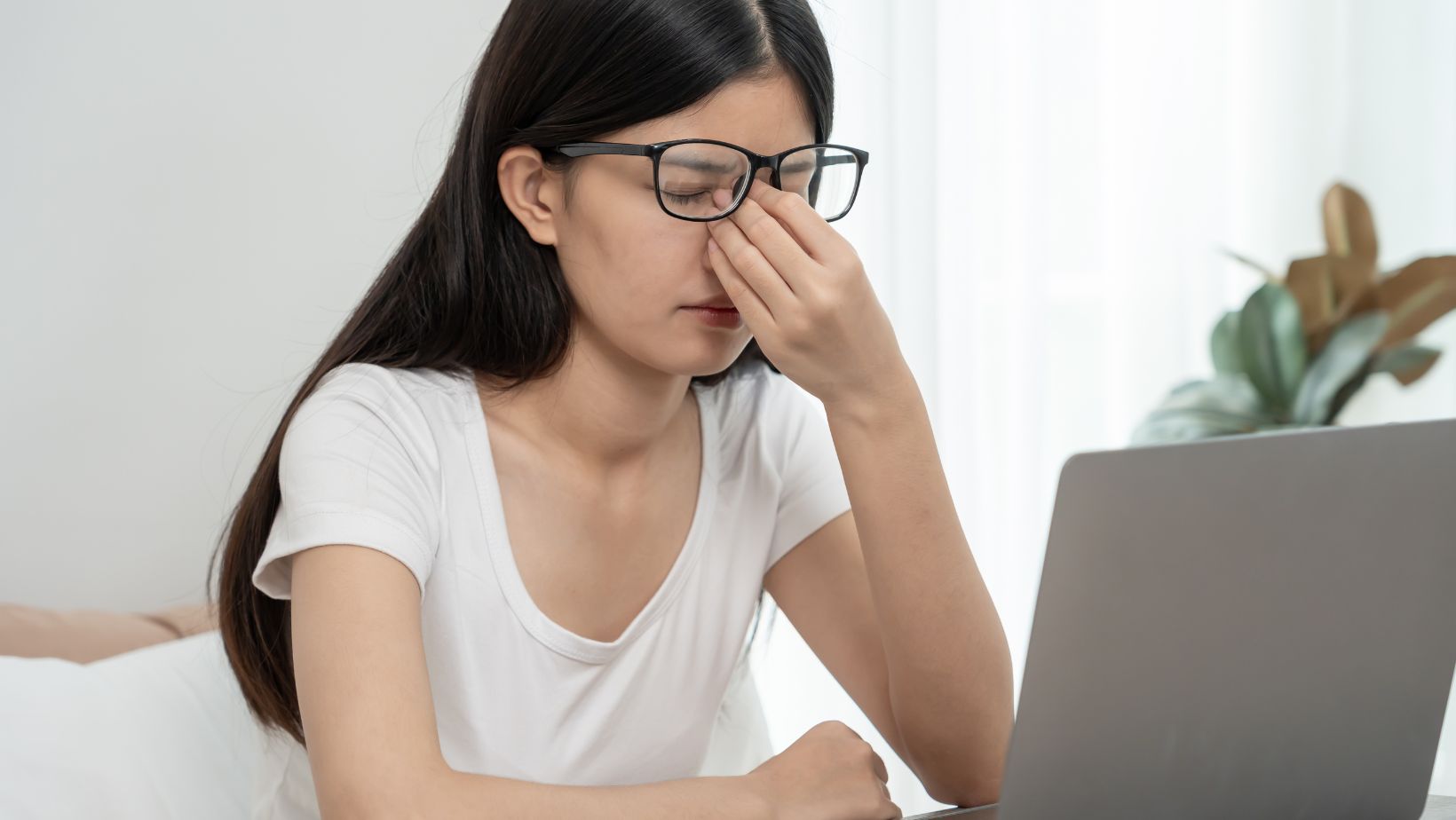
Regular eye hygiene can also help. Rinsing the eyes with sterile saline solutions or artificial tears can flush out pollen and reduce irritation. These solutions are widely available over-the-counter and can be used multiple times a day. Avoid rubbing the eyes, even when they feel itchy, as this can worsen inflammation and potentially damage the delicate surface of the eye.
Over-the-Counter Relief Options
For moderate eye allergy symptoms, several over-the-counter treatments can provide relief. Artificial tears and lubricating eye drops help wash away allergens and soothe dryness. Some drops contain antihistamines that specifically target the histamines causing redness and itching. Eye drops with a combination of antihistamine and decongestant properties can also be effective, but they should be used sparingly and according to instructions, as overuse may lead to rebound redness or dryness. Using reliable eye care products designed for allergies can make a noticeable difference in comfort and prevent further irritation.
Oral antihistamines are another option for controlling allergic reactions, especially if symptoms affect both the eyes and the nose. They work systemically to reduce histamine activity, often providing relief within an hour. However, some antihistamines can cause drowsiness, so it’s important to choose a non-drowsy formulation if needed for daytime activities.
Lifestyle Adjustments for Long-Term Comfort
Managing eye discomfort during allergy season isn’t solely about immediate symptom relief. Long-term lifestyle adjustments can make a noticeable difference. Maintaining indoor air quality by regularly vacuuming with HEPA filters and keeping humidity at optimal levels can reduce allergen accumulation. Wearing wraparound sunglasses while outdoors can shield eyes from airborne pollen, and using hats or visors can further limit exposure.
Dietary habits may also play a supportive role. Some research suggests that foods rich in omega-3 fatty acids, such as salmon, flaxseeds, and walnuts, may reduce inflammation and improve eye health. Staying hydrated helps maintain tear production and keeps eyes naturally moist.
When to Seek Medical Advice
While many cases of allergy-related eye discomfort are manageable at home, some situations require professional attention. Persistent redness, swelling, or pain could indicate a more serious eye condition such as conjunctivitis or infection. Sudden changes in vision, light sensitivity, or severe swelling of the eyelids should prompt an immediate visit to an eye care specialist.
Allergy testing can also be beneficial for individuals with recurring or severe eye symptoms. Identifying specific allergens allows for targeted treatment, which may include prescription eye drops, antihistamines, or even immunotherapy to reduce sensitivity over time.
Conclusion
Seasonal allergies may be a regular part of spring and summer, but they don’t have to dominate your comfort or daily routine. By understanding the causes of eye irritation, adopting preventive strategies, and using over-the-counter or prescription remedies when necessary, you can significantly reduce discomfort and maintain eye health. Small adjustments like wearing sunglasses, rinsing eyes regularly, and managing exposure to pollen can make a big difference. With proactive care, enjoying the beauty of the season doesn’t have to come with itchy, watery eyes.